DIY Masonry Repair: When to Tackle It Yourself and When to Call a Pro


When it comes to maintaining your home, masonry repair might not be the first task that comes to mind. However, addressing masonry issues promptly can prevent more significant problems down the line. For those who enjoy DIY projects, fixing minor masonry problems can be a rewarding challenge. But how do you know when to roll up your sleeves and when it's best to call in a professional?
Understanding Masonry Basics
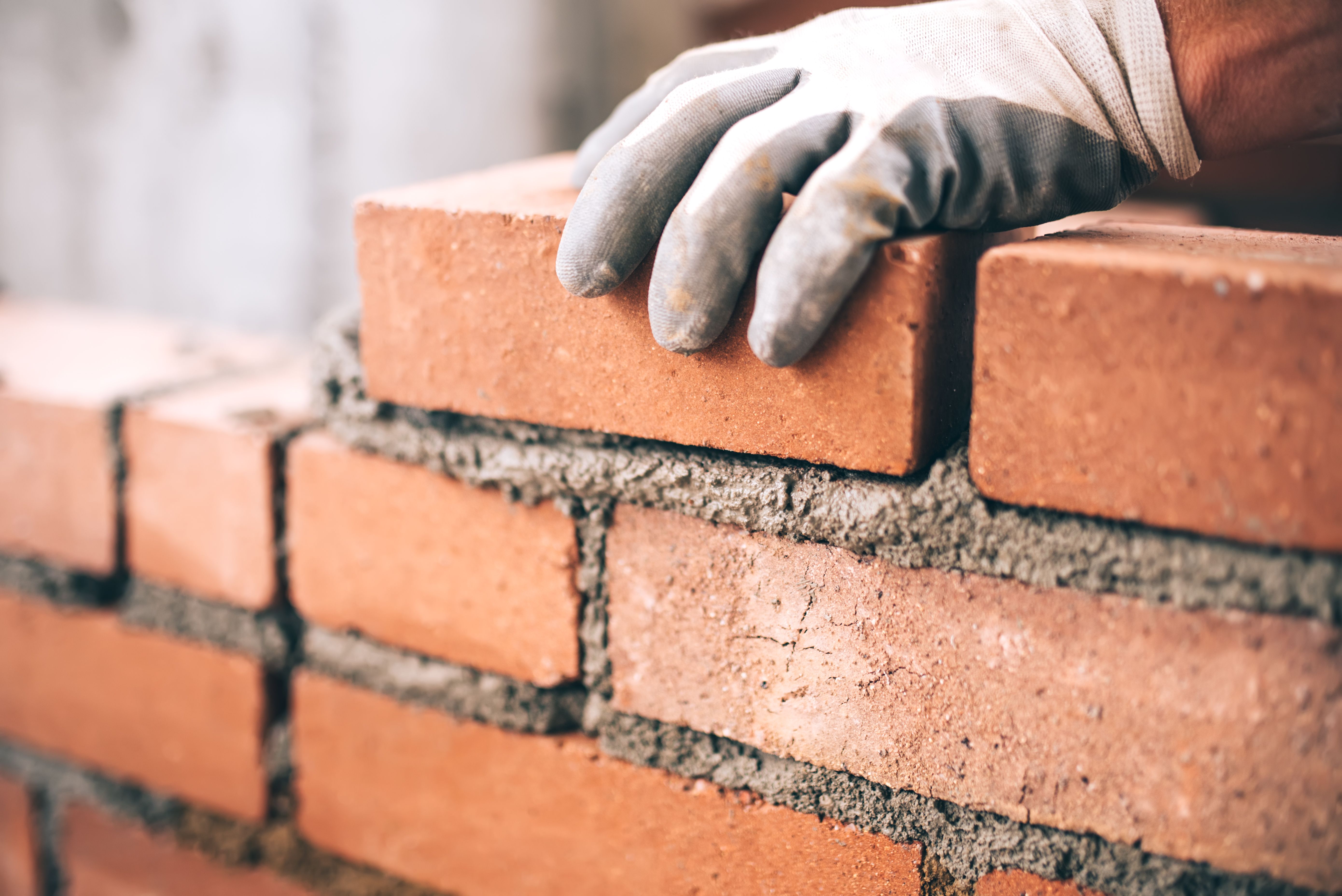
Masonry involves building structures from individual units like bricks, stones, or concrete blocks. Over time, these materials can deteriorate due to weather, moisture, or general wear and tear. Identifying the type of masonry and the extent of the damage is crucial before deciding on a repair method.
Common Masonry Issues
Some typical masonry problems homeowners may encounter include:
- Cracks: Often caused by settling or thermal expansion, these can be superficial or indicate a more serious problem.
- Spalling: This occurs when the surface of the masonry flakes off, usually due to water infiltration.
- Efflorescence: A white, powdery residue on the surface, caused by salt deposits left after water evaporation.
Minor issues like small cracks or efflorescence can often be handled with a DIY approach, while more severe problems might require professional intervention.
When to DIY
Tackling masonry repair yourself can be cost-effective and satisfying. Here are some situations where a DIY approach might be suitable:
- Small cracks: These can often be filled with masonry sealant or mortar mix.
- Efflorescence removal: A simple solution of vinegar and water can usually address this issue.
- Minor spalling: If the damage is limited, patching the area with new mortar can be effective.
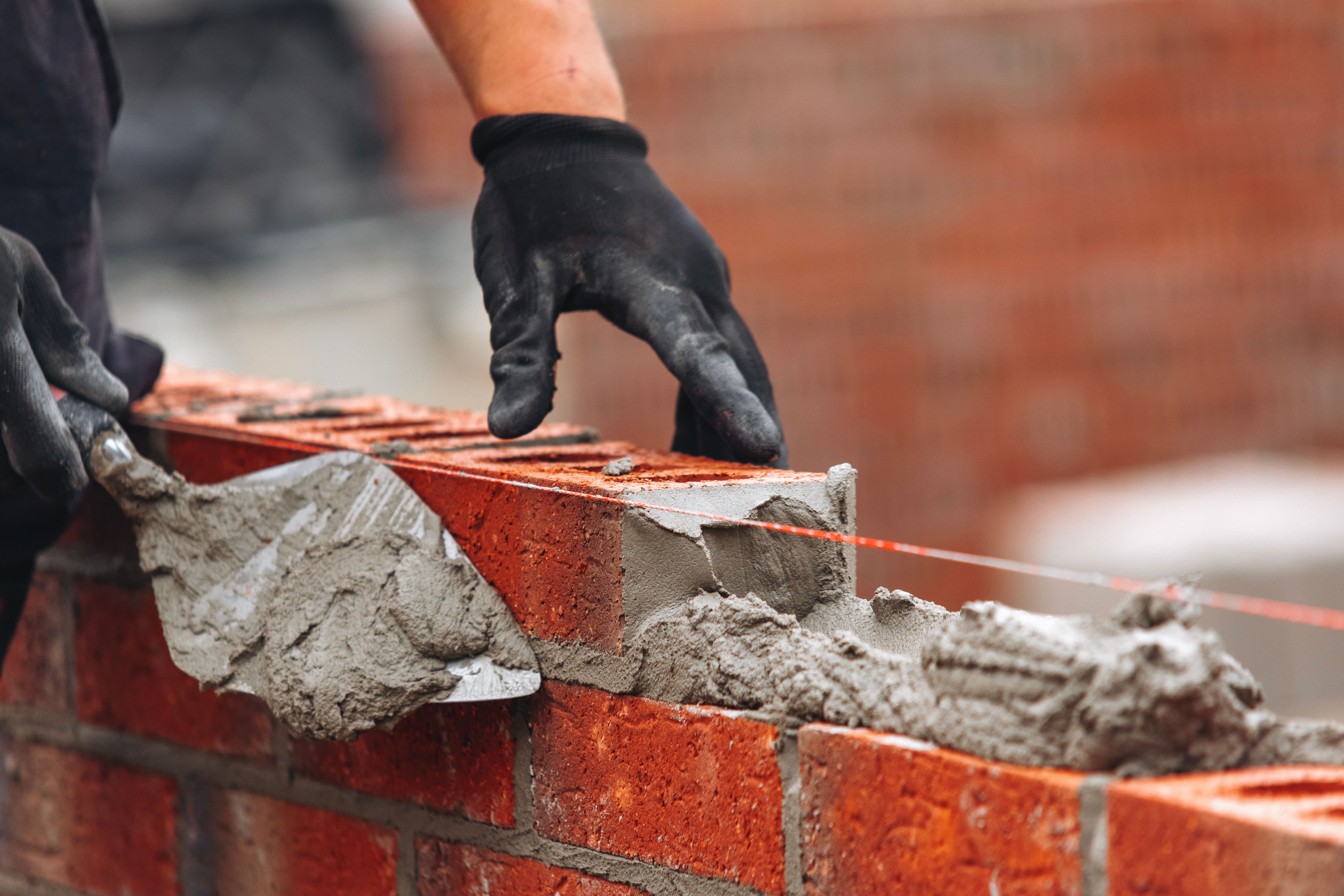
Remember to gather the right tools and materials before beginning any repair. Safety gear such as gloves and goggles is also essential.
Steps for DIY Repairs
For those ready to take on a DIY masonry project, here are some basic steps to guide you:
- Assess the damage: Determine the type and extent of the issue.
- Prepare the area: Clean the surface and remove any loose material.
- Apply the repair material: Use the appropriate product for the type of damage.
- Finish and clean: Smooth the surface and clean up any debris.
When to Call a Professional
While DIY can be tempting, certain situations demand professional expertise. Consider hiring a pro if you encounter:
- Structural cracks: These may indicate foundational issues that require specialized knowledge.
- Extensive spalling: Large areas of damage can compromise the integrity of the structure.
- Chimney repairs: Due to safety concerns, chimney work is often best left to professionals.

Professionals have the tools, experience, and expertise to handle complex repairs, ensuring the longevity and safety of your masonry structures.
Conclusion
Deciding whether to tackle masonry repair yourself or hire a professional depends on the nature and extent of the damage. While minor issues can often be resolved with a little elbow grease and the right materials, more serious problems require expert attention. By assessing your specific situation, you can make an informed decision that ensures the longevity and safety of your home.