The Ultimate Guide to Fireplace Installation: What You Need to Know


Understanding Your Fireplace Options
Installing a fireplace can dramatically enhance the ambiance and value of your home. But before you dive in, it's crucial to understand the different types of fireplaces available. The three main categories are wood-burning, gas, and electric fireplaces, each offering unique benefits and considerations.
Wood-Burning Fireplaces
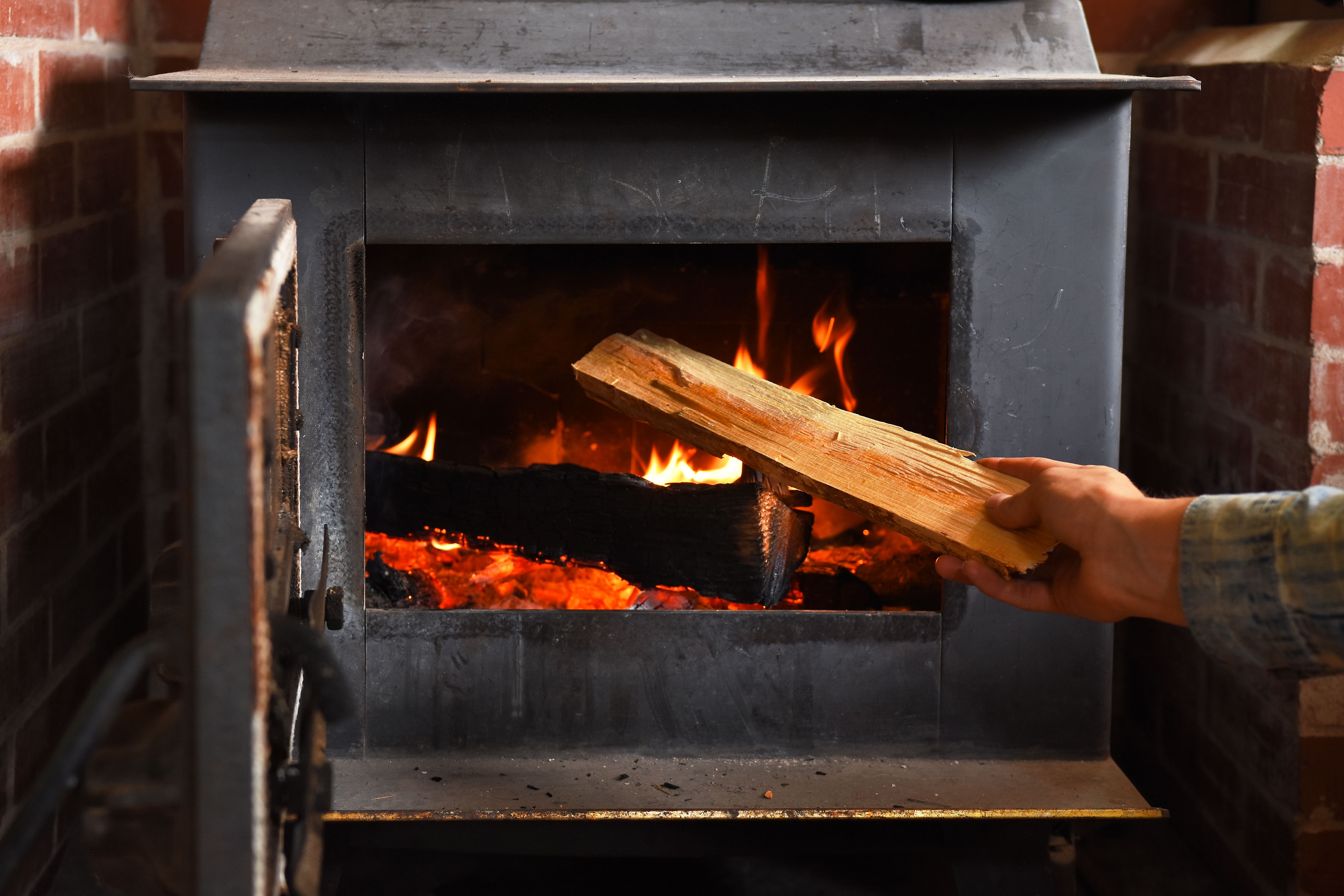
Wood-burning fireplaces provide a traditional aesthetic with the crackling sound and aroma of burning wood. They require a chimney for ventilation and regular maintenance to remove ash and soot. If you're a fan of authenticity and don't mind the upkeep, this might be the right choice for you.
Gas Fireplaces
Gas fireplaces offer a cleaner and more convenient option compared to wood-burning models. They are easy to start and stop with a switch, and most models require minimal maintenance. Gas fireplaces can be vented or ventless, depending on your home's setup and local building codes.

Electric Fireplaces
For those seeking simplicity, electric fireplaces are the go-to option. They are the easiest to install since they don't require a chimney or vent. While they may not offer the same realism as a wood or gas fireplace, they are energy-efficient and can be installed in virtually any room.
Installation Considerations
Before you start the installation process, there are several factors to consider. First, evaluate the location where you want to install the fireplace. Consider the room's layout and ensure there's adequate space and ventilation. Additionally, check local building codes and regulations to ensure compliance.
Professional vs. DIY Installation
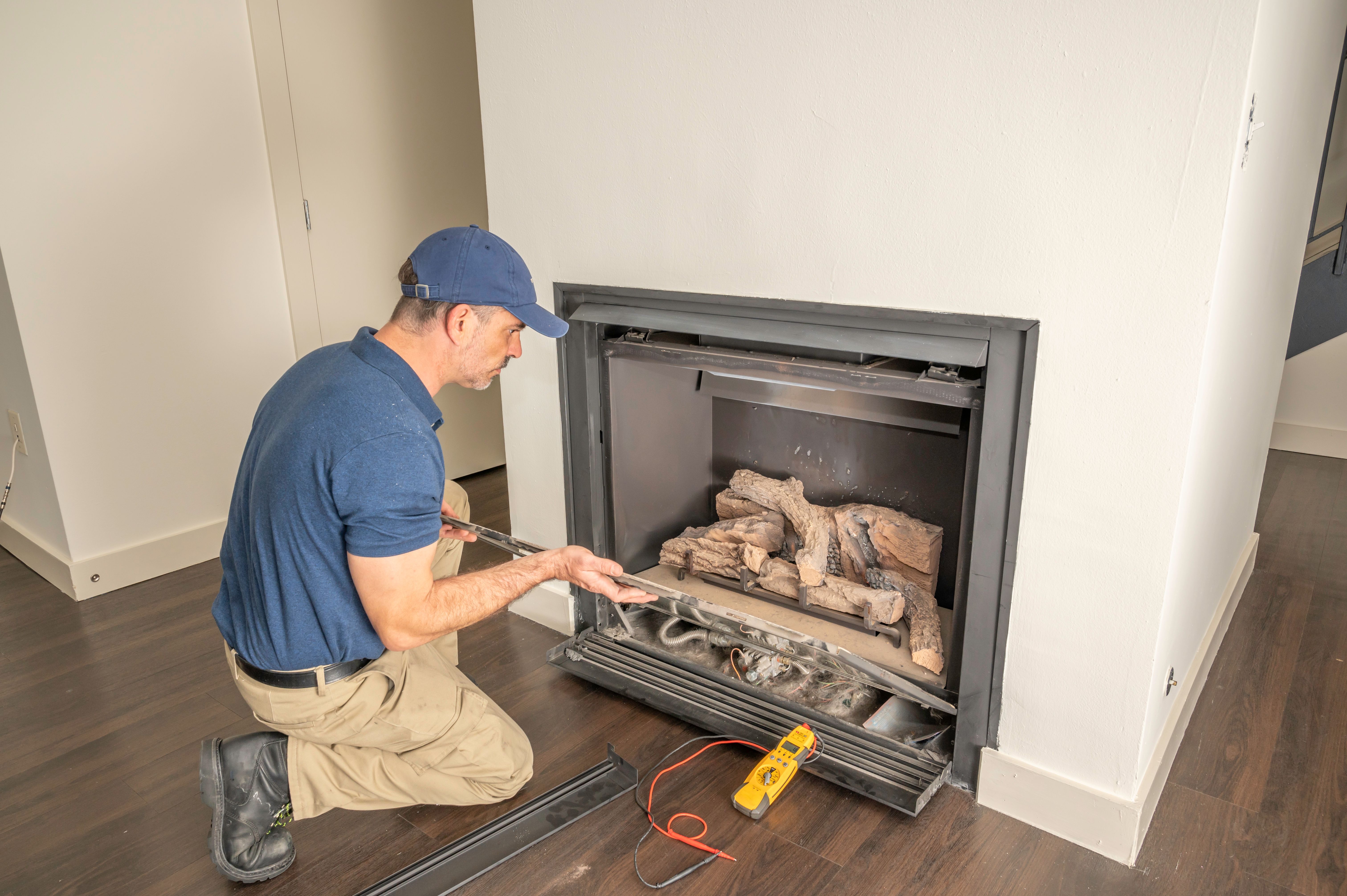
Deciding between professional installation and a DIY approach depends on your skill level and the type of fireplace. Wood-burning fireplaces typically require professional installation due to the complexity of chimney construction. Gas and electric fireplaces might be more DIY-friendly but can still benefit from professional expertise.
Maintenance Tips
Once your fireplace is installed, regular maintenance is key to ensuring its longevity and safety. For wood-burning fireplaces, schedule annual chimney inspections and cleanings. Gas fireplaces should be checked for gas leaks and functionality, while electric models require minimal maintenance but should be dusted regularly.
Safety Precautions
Ensure you have smoke and carbon monoxide detectors installed near your fireplace. Keep flammable items away from the area, and never leave a fire unattended. Following these precautions will help keep your home safe and your fireplace in excellent working condition.
Enhancing Your Fireplace Experience
To make the most of your fireplace, consider adding accessories like mantels, screens, or decorative logs. These additions can enhance the visual appeal and functionality of your fireplace, creating a cozy and inviting atmosphere in your home.

In conclusion, a fireplace can be a wonderful addition to your home, providing warmth and aesthetic appeal. By understanding your options, considering installation requirements, and maintaining your fireplace properly, you can enjoy its benefits for years to come.