The Ultimate Guide to Fireplace Installation Services: What Homeowners Need to Know


Understanding Fireplace Installation
Installing a fireplace in your home can be a transformative decision, adding both warmth and aesthetic appeal. However, it is crucial to understand the process and the various types of fireplaces available. Whether you are considering a traditional wood-burning fireplace or a modern gas or electric option, each has its unique benefits and installation requirements.

Before diving into the installation, homeowners should evaluate their specific needs and preferences. Consider factors such as the primary purpose of the fireplace, the style that fits your home, and the budget you are working with. Consulting with a professional can help you make an informed decision.
Types of Fireplaces
Wood-Burning Fireplaces
Wood-burning fireplaces are classic and offer the authentic crackling sound of burning logs. They require a chimney and regular maintenance, including cleaning out ash and creosote buildup.
Gas Fireplaces
Gas fireplaces are popular for their convenience and efficiency. They produce real flames and can be turned on and off with a switch or remote control. Gas fireplaces require a gas line connection, which should be installed by a professional.

Electric Fireplaces
Electric fireplaces are the easiest to install, as they do not require venting. They use LED lights and heat elements to mimic a real fire. These fireplaces are energy-efficient and can be placed in almost any room.
Installation Process
The installation process can vary significantly depending on the type of fireplace. For instance, a wood-burning fireplace will need a chimney and proper ventilation, while a gas fireplace requires a gas line installation. Electric fireplaces, on the other hand, only need power outlets.
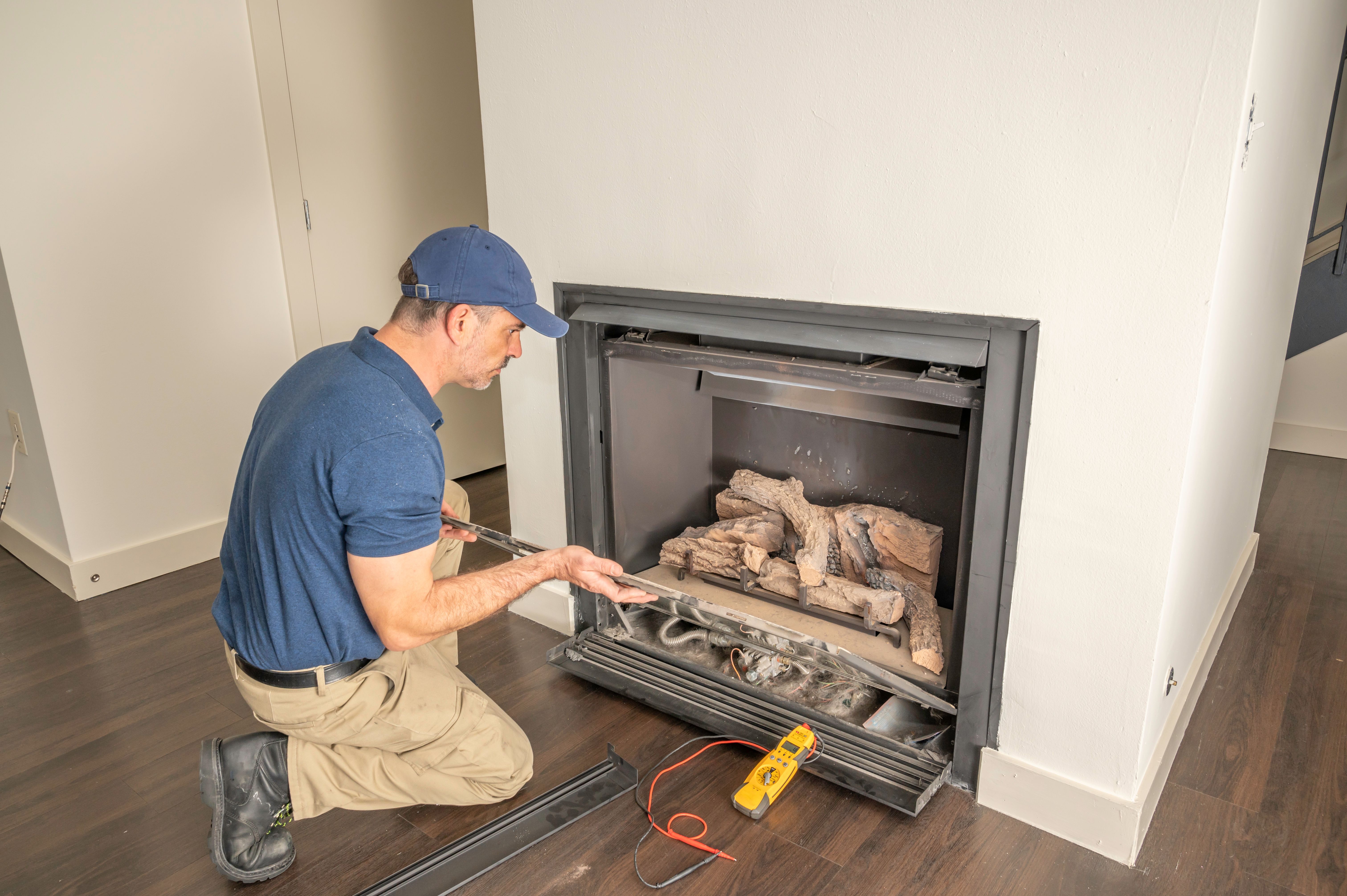
It is essential to hire a qualified contractor to handle the installation. Professionals ensure that the fireplace is installed safely and complies with local building codes. They can also advise on the best location within your home to maximize both safety and efficiency.
Maintenance and Safety Tips
Once your fireplace is installed, regular maintenance is key to ensuring its longevity and safety. For wood-burning fireplaces, annual chimney inspections and cleanings are recommended. Gas fireplaces should have their connections and vents checked regularly. Electric fireplaces require minimal maintenance, but it’s important to keep them clean and dust-free.
Safety is paramount when using a fireplace. Always use a screen to prevent sparks, keep flammable items away, and never leave a fire unattended. Installing smoke and carbon monoxide detectors in your home is also a wise precaution.
Choosing the Right Professional
When selecting a fireplace installation service, look for professionals with a solid reputation and experience. Check reviews and ask for references to ensure you are hiring someone reliable. Additionally, confirm that they are licensed and insured to protect your home and investment.
By understanding the different options and what to expect from the installation process, you can confidently add a beautiful and functional fireplace to your home. Whether you prioritize tradition, convenience, or efficiency, there is a perfect fireplace solution waiting for you.