The Ultimate Guide to Fireplace Installation Services for Your Home


Understanding Fireplace Installation
Fireplaces have long been a beloved feature in homes, offering both warmth and aesthetic appeal. Whether you're renovating your home or building a new one, understanding the installation process is crucial. Fireplace installation involves various steps and considerations, ensuring safety, efficiency, and style.
Types of Fireplaces
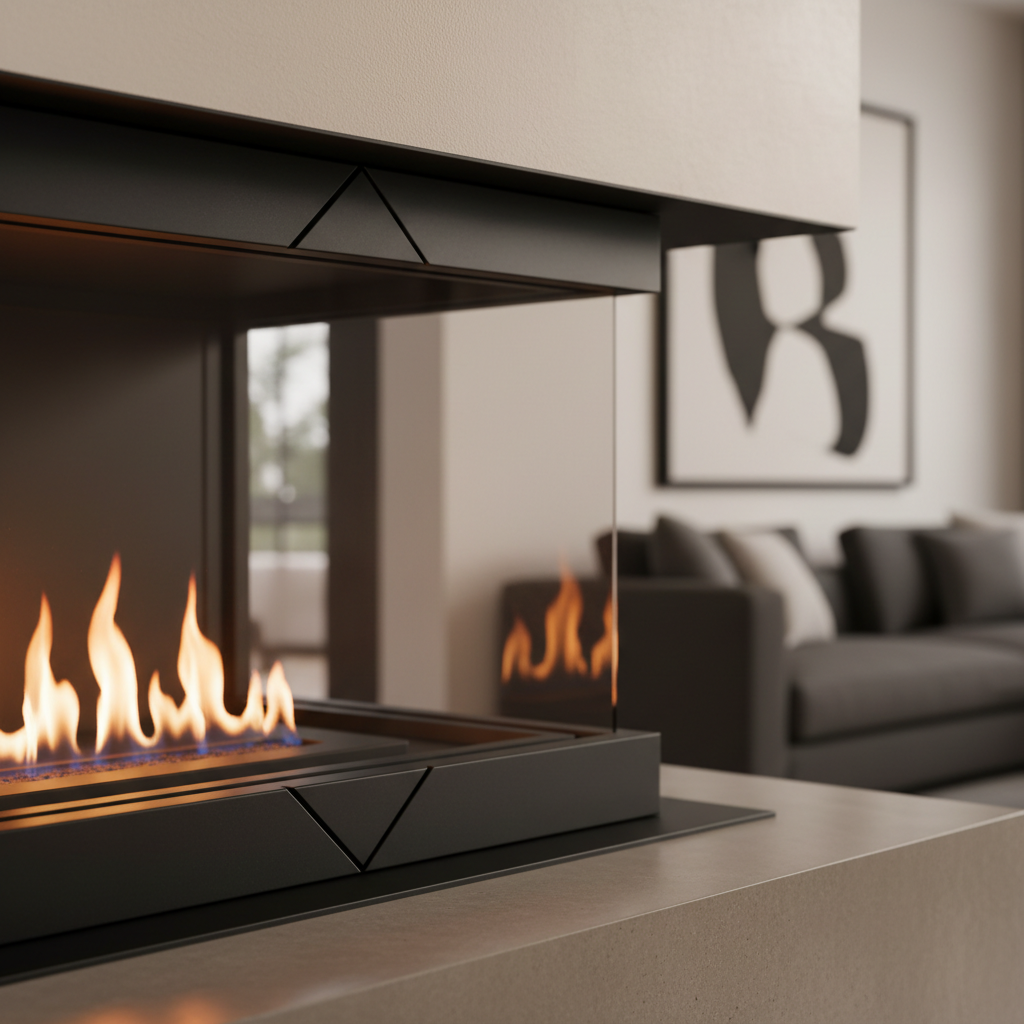
Before diving into the installation process, it's important to decide on the type of fireplace you want. The most common types include wood-burning, gas, electric, and ethanol fireplaces. Each type has its own benefits and drawbacks, so consider your home's needs, your lifestyle, and your budget.
Wood-burning fireplaces offer a classic feel and are perfect for those who love the crackle of real logs. Gas fireplaces provide convenience and efficiency, requiring less maintenance. Electric fireplaces are versatile and easy to install, while ethanol fireplaces offer a modern, eco-friendly option.
Preparation and Planning
Once you've chosen the type of fireplace, the next step is planning the installation. This involves selecting the right location, ensuring proper ventilation, and considering the overall design. It's essential to work with a professional to assess your home's structure and determine the best placement for safety and functionality.
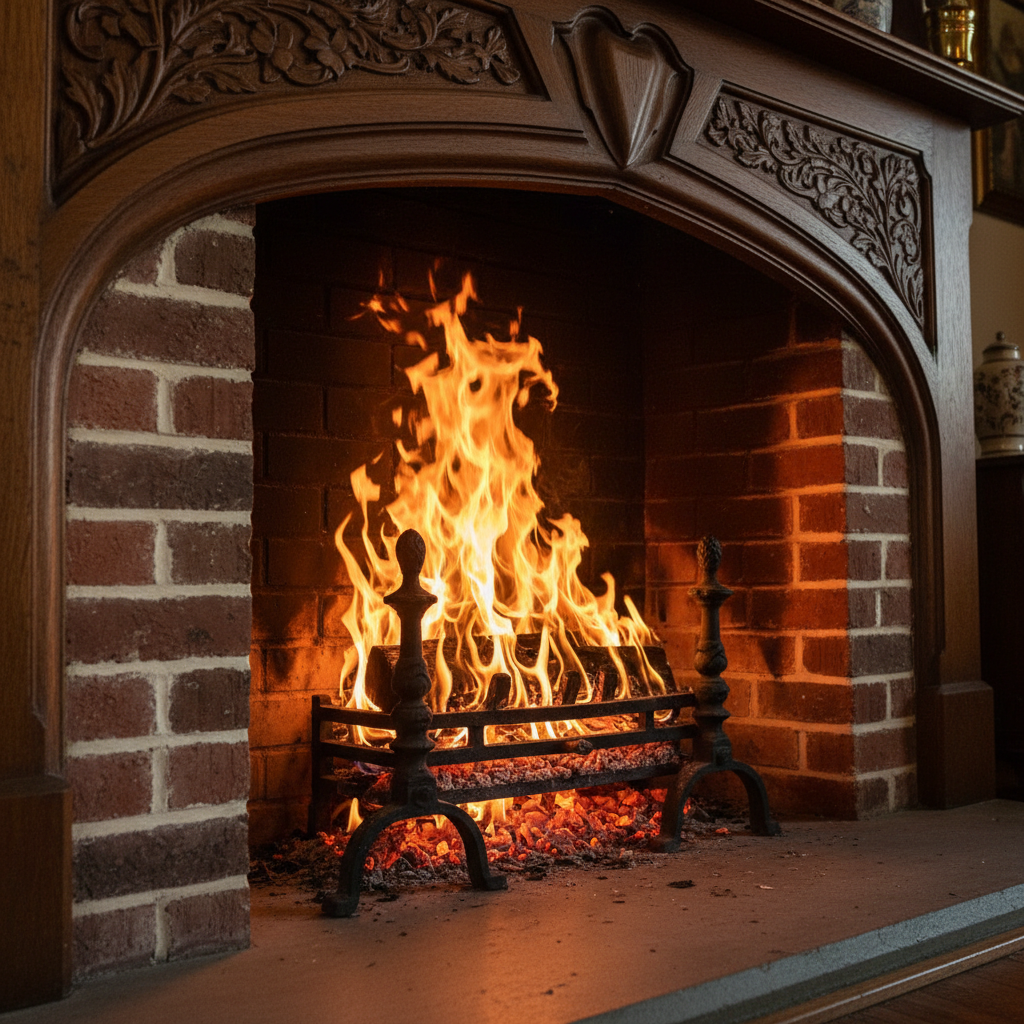
Proper ventilation is crucial, especially for wood-burning and gas fireplaces. This ensures that smoke and fumes are directed outside, preventing any health hazards. Additionally, consider the surrounding materials and design elements to enhance the fireplace's aesthetic appeal.
Installation Process
The installation process can vary depending on the type of fireplace. For a wood-burning fireplace, a chimney is required, which may involve more extensive construction work. Gas fireplaces need a gas line connection, while electric and ethanol models typically require minimal setup.
Professional installation is recommended to ensure everything is done correctly and safely. A certified installer will follow local building codes and regulations, handling all necessary permits and inspections.
Maintenance and Safety
After installation, regular maintenance is key to keeping your fireplace in top condition. Wood-burning fireplaces need periodic chimney cleaning to prevent creosote buildup, while gas fireplaces should have their vents and connections checked annually.
Safety is paramount, so always follow the manufacturer's guidelines. Install smoke and carbon monoxide detectors, and ensure that flammable materials are kept at a safe distance from the fireplace.
Enhancing Your Fireplace Experience
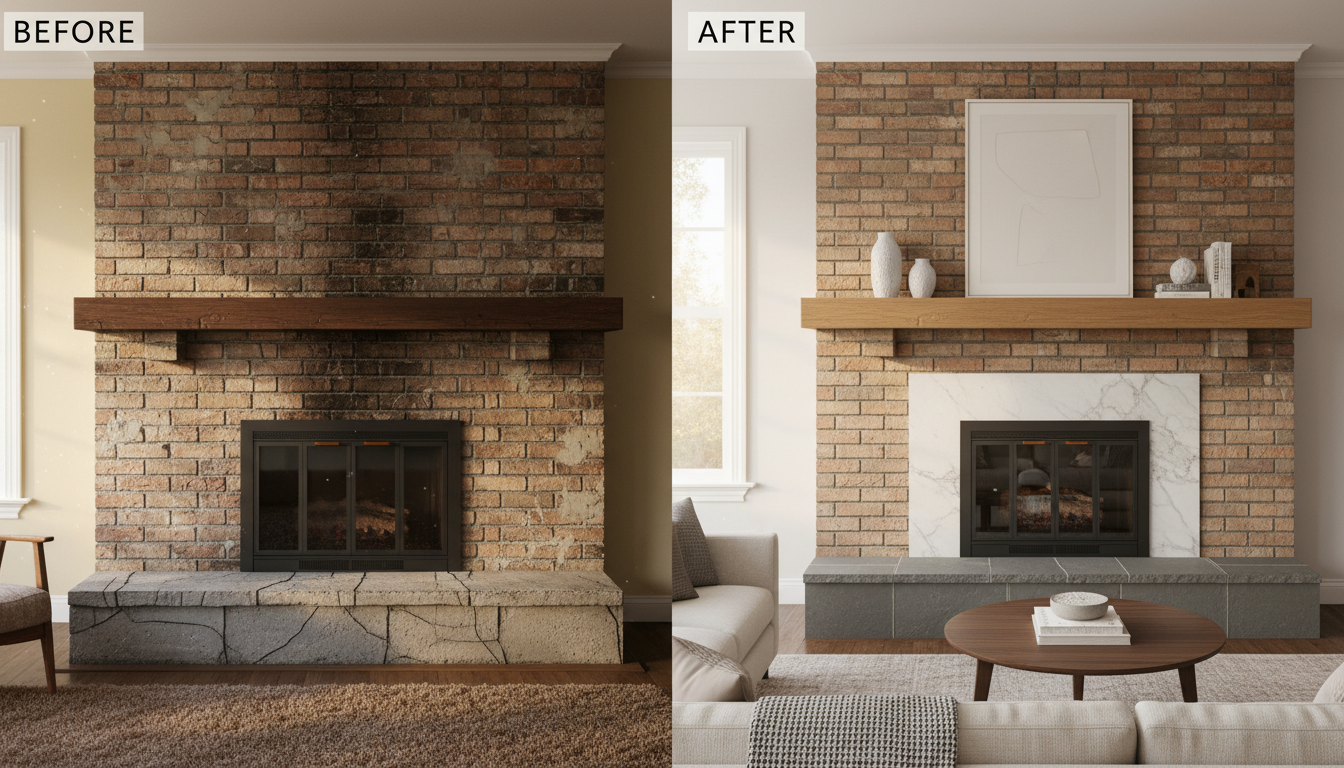
Once your fireplace is installed, consider adding accessories to enhance its functionality and appearance. Fireplace screens, toolsets, and decorative mantels can add both safety and style. You might also explore modern features such as remote controls or smart home integration for added convenience.

Whether you're looking for a cozy gathering spot or an elegant centerpiece, a well-installed fireplace can transform your home. With careful planning and professional installation, you'll enjoy warmth and ambiance for years to come.